
In the dynamic orbit of healthcare, the demand for efficient data exchange among the value chain's systems is paramount. Interoperability emerges as a vital element for delivering quality patient care, enhancing operational efficiency, and advancing medical progress.
Agilism, rooted in Agile methodology, serves as a transformative framework for achieving interoperability within the intricate healthcare landscape. However, this endeavor is not without its challenges.
The Healthcare Landscape
The healthcare industry features diverse systems, including electronic health records, patient monitoring devices, telehealth platforms, and billing systems. While these systems hold the promise of improving patient quality of life, they often function independently, leading to inefficiencies, errors, and missed opportunities for informed decision-making. Achieving interoperability imposes a strategic alignment of technological advancements with agile methodologies.
Agilism, the Catalyst for Interoperability
Agilism, derived from Agile methodology, underscores collaboration, iterative development, and continuous improvement. When applied to healthcare, these principles enable stakeholders to effectively address system integration and data exchange complexities. Key Contributions of Agilism:
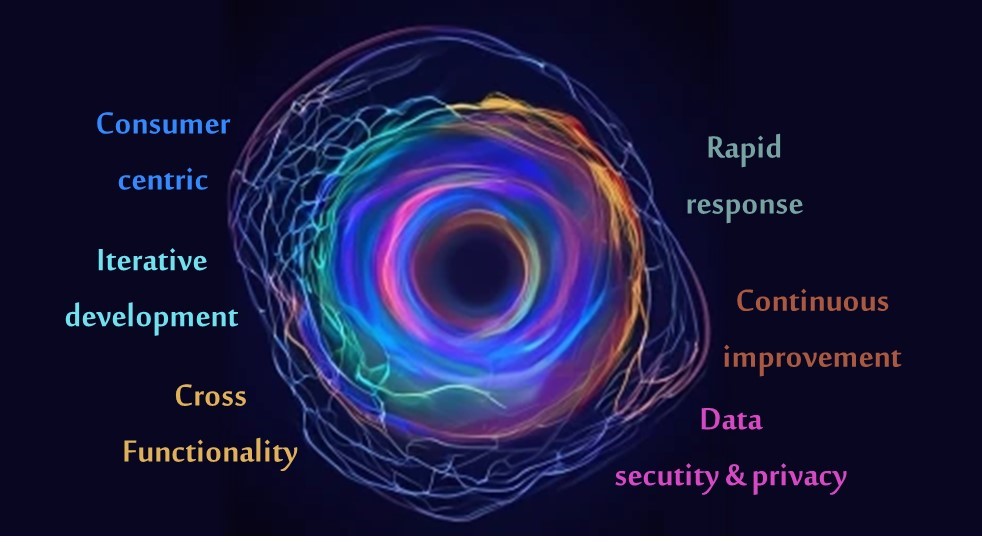
- Collaborative Teams: Agile principles advocate cross-functional teams, uniting specialists from various fields. In healthcare, this entails collaboration between clinicians, IT experts, administrators, marketers, and data analysts. Together, they identify challenges, devise solutions, and implement real-time changes.
- Iterative Development: Agilism promotes incremental progress and regular testing. In healthcare, this results in modular interfaces that are continuously refined, minimizing the risk of failures and ensuring validated integration steps.
- Adaptive Agility: Healthcare is dynamic, with evolving regulations, technologies, and practices. Agilism's adaptability accommodates swift adjustments to requirements, standards, or technologies without disrupting workflows.
- User-Centered Design: Agile methodologies emphasize user feedback, tailoring solutions to healthcare professionals' needs and workflows. This fosters greater adoption and sustained usage.
- Data Security: Agile approaches facilitate robust security measures, audits, and compliance with privacy regulations. This ensures the development of secure interoperability solutions, even leveraging blockchain structures.
- Continuous Progress: Agilism's focus on perpetual improvement aligns with healthcare's goal of enhancing patient outcomes and operational efficiency. Ongoing development cycles enable organizations to proactively tackle emerging challenges.
In the dynamic healthcare landscape, achieving interoperability is imperative. Agilism provides a dynamic framework for addressing complex integration challenges. By promoting collaboration, iterative development, adaptability, and user-centered design, healthcare organizations can unlock seamless data exchange's potential. This translates to improved patient care, operational efficiency, and medical innovation.
Embracing agilism creates a more connected, responsive, and agile healthcare ecosystem, paving the way for progress.