
Although some organizations may initially resist the adoption of the agile approach, many others are recognizing its benefits and successfully making transitions. Agile adoption helps organizations become more flexible, adaptive, and deliver value more quickly and effectively.
What does delivering value mean?
It refers to providing customers or users with something useful, beneficial, or satisfying to them. In the context of organizations, especially in the development of products or services, delivering value involves creating and offering something that meets the needs and expectations of customers, providing them with tangible or intangible benefits.
The importance of applying an agile approach in this volatile, uncertain, complex, and ambiguous environment that companies are exposed to lies in the ability to face competition and constantly adapt to the real needs of customers. It is no longer just about having a product and maintaining it for many years, but about innovating and changing to retain and increase the customer base.
Why is the agile approach important in any sector?
Imagine you are developing an online platform for language learning. Instead of waiting to have all the content complete, you launch the platform with basic lessons. As users interact, you collect feedback and improve the platform with new lessons and features. This way, users can start learning immediately, and the platform adapts to their needs in real-time.
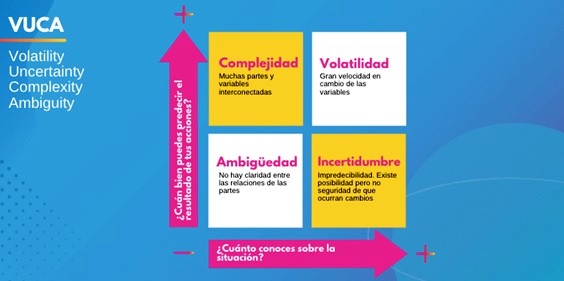
Fuente: https://blog.workana.com/
- Resistance to change. Organizations, especially large and established ones, often have entrenched structures and processes that have been successful in the past. Changing to an agile approach may require significant modifications to how they organize and operate, which can generate resistance from employees and management.
- Lack of understanding. Some organizations may have limited or incorrect knowledge of agile principles and practices, leading to mistrust and resistance to adopting them.
- Organizational culture. Traditional business cultures often focus on hierarchy, control, and risk minimization. These values may conflict with agile values such as collaboration, adaptability, and experimentation. Changing the existing organizational culture can be a challenging and time-consuming process.
- Fear of failure. Some organizations fear that adopting an agile approach will increase the risk of failure. They may worry that rapid changes and incremental delivery of products or services could result in unsatisfactory outcomes or loss of control.
- Organizational complexity. In large and complex organizations, implementing an agile approach effectively can be difficult. Coordinating teams, aligning objectives, and making agile decisions may require significant restructuring, which can be complex and costly.